Custom ERP for Multi-Branch Businesses in Malaysia
See how a custom ERP connects sales, inventory, finance and HR across branches, with a practical approach to rollout and ownership.
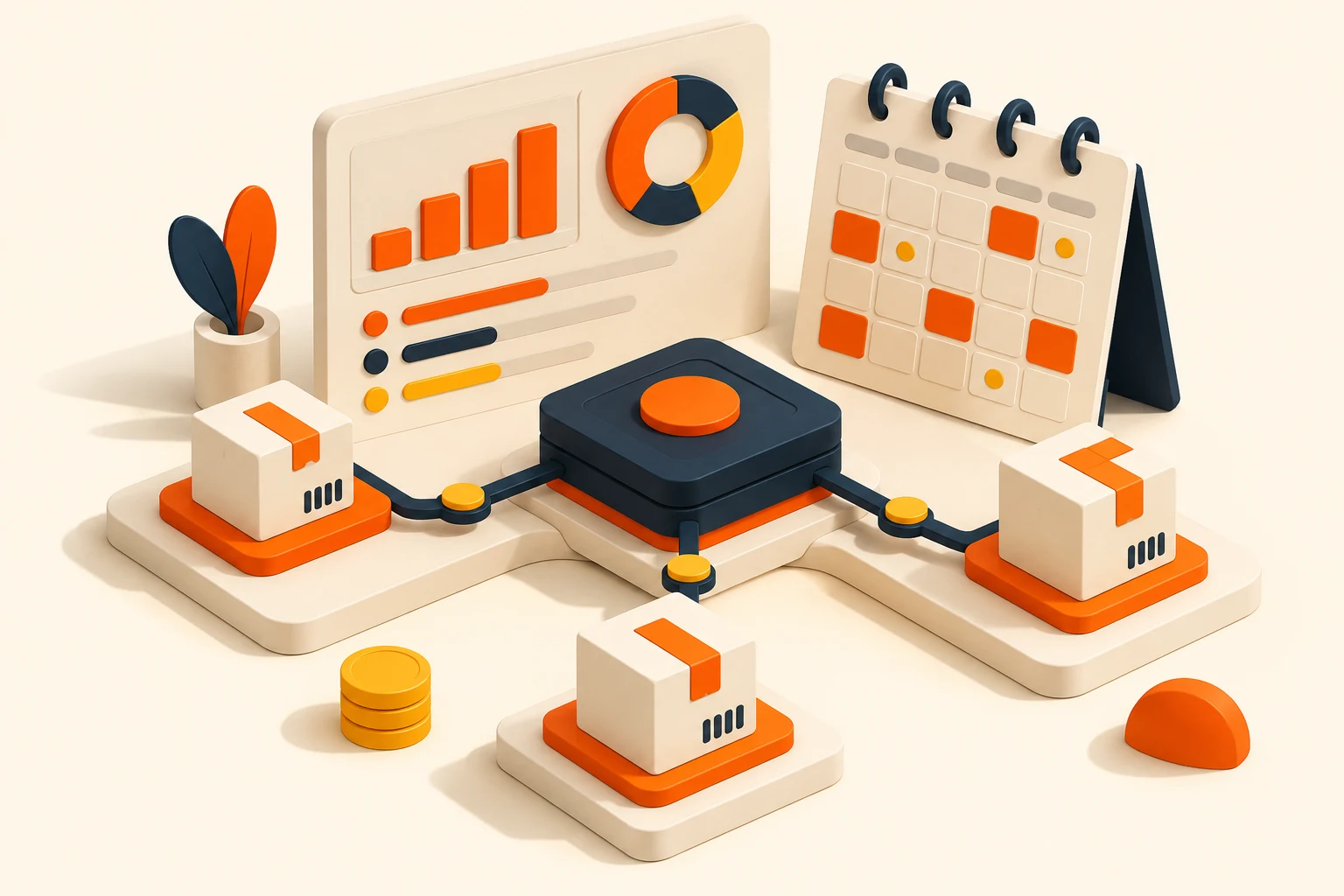
Where disconnected branch systems create work
When sales, warehouse, HR and finance teams use separate tools, staff often re-enter the same information. Branch stock counts can disagree and reports take longer to prepare. This guide describes a typical operating scenario, rather than claiming measured results from a named customer.
Build a shared view of sales and inventory
A custom ERP can connect transactions to a central stock record. First agree product identifiers, stock locations, returns and transfer rules. Plan how branches operate during an outage and reconcile changes afterwards. Reliable data matters more than adding a dashboard to inconsistent records.
Link finance and HR with clear controls
Invoice, payment and attendance data can flow into relevant finance processes when integrations are designed for the business. Include approval steps, exception handling and audit records. Any MyInvois integration should be tested against current LHDN requirements; software alone does not guarantee tax compliance.
Roll out one workflow before every branch
Clean existing records and pilot the system with a limited group. Test stock transfers, refunds, reporting and access permissions using representative transactions. Train users and retain a recovery plan before expanding. Compare processing time, reconciliation issues and reporting delays to the original baseline.
Keep the system maintainable
Agree code ownership, repository access and handover documentation in the project scope. Budget for hosting, updates and support alongside development. Fibernatic’s custom ERP work brings business workflows into a system designed around the organisation, with the scope defined before implementation.